

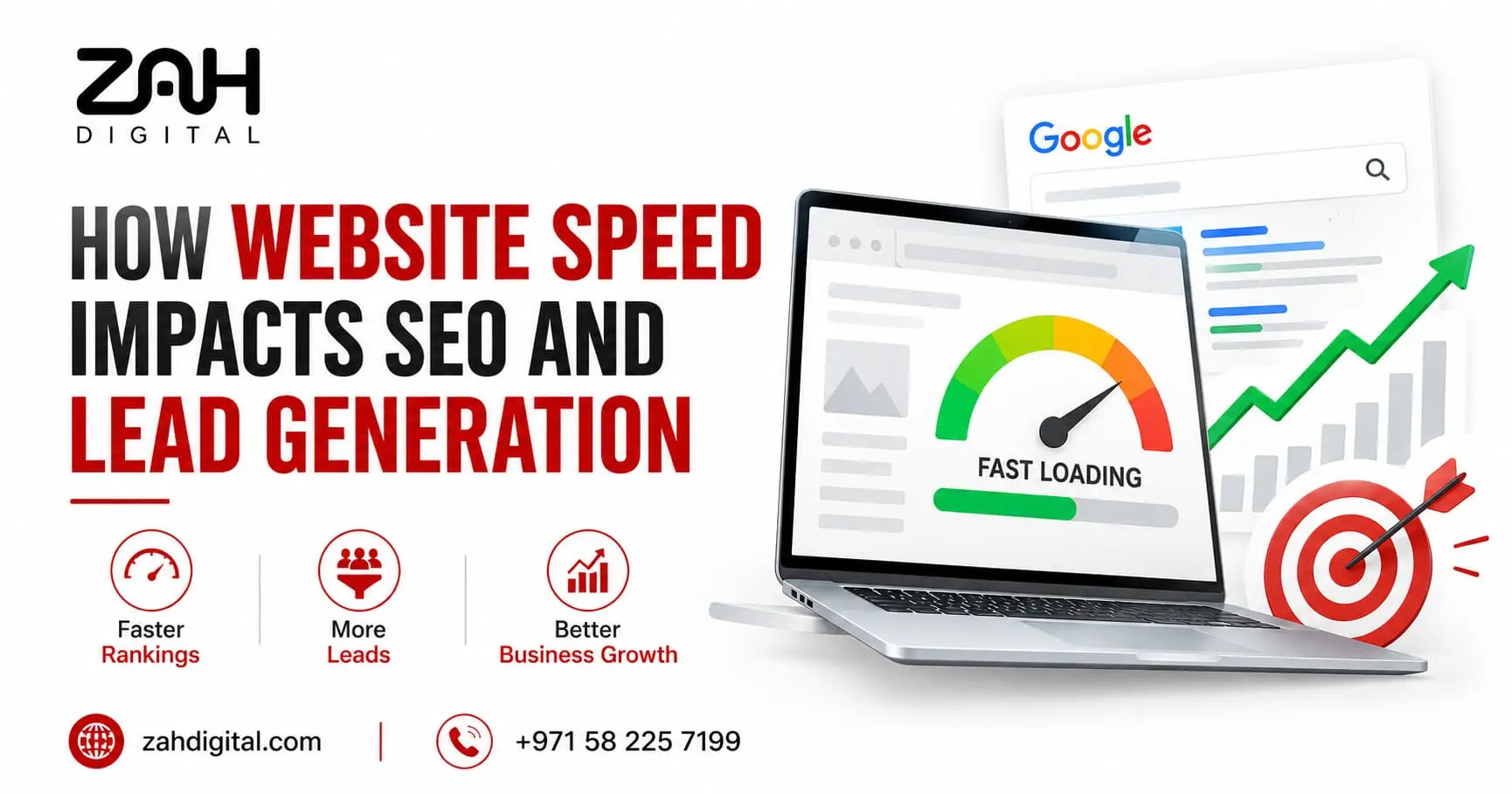
Google will want searchers to reach useful pages. That provides a strong browsing experience. Performance metrics like Core Web Vitals. This form part of the signals Google’s ranking systems use. When assessing page experience.
But speed alone. This won’t push weak content to the top. Relevance, quality and authority still matter. Think of site performance as one part of a broader group of Google ranking factors rather than a shortcut to first position.
How Slow Load Times Increase Bounce Rate
People rarely wait patiently for a slow page.
For instance, a visitor searching for an emergency plumber, local accountant or product supplier usually wants information immediately. When the page load time feels excessive. They will leave before reading the headline.
So poor performance will contribute to a higher bounce rate. Fewer page views. Also weaker engagement.
The Connection Between Site Speed and Lead Conversion
A fast website removes obstacles between interest and action.
Imagine two companies offering a similar service. One website loads quickly, displays its enquiry form instantly and responds smoothly. The other freezes while scripts and oversized images load.
Naturally, the first business has a better opportunity to convert the visitor.
Therefore, site speed and conversions often work together. Faster pages will make calls. Form submissions. Bookings and purchases feel easier. This supports stronger lead generation. Get details on SEO Services in Dubai.
Core Web Vitals Explained Simply
Google will currently focus on three major Core Web Vitals:
- INP – Interaction to Next Paint: Measures page responsiveness after user interaction. The recommended threshold. This is below 200 milliseconds.
- LCP – Largest Contentful Paint: Measures how quickly the main content will appear. Google recommends 2.5 seconds. Or less.
- CLS – Cumulative Layout Shift: Measures the unexpected movement of page elements. A score below 0.1 is considered good.
In simple terms. Your website must load quickly. Respond quickly. Also remain visually stable.
Mobile Speed and Its Impact on Local SEO
Mobile users often have stronger immediate intent.
Someone searching “dentist near me” or “AC repair Dubai” may want to call a business within minutes. Therefore, poor mobile page speed can interrupt an otherwise valuable local search journey.
Mobile-friendly page experience will remain important. Because Google will encourage websites to work well. Across mobile devices.
Related Services:
» Website Designing Service in Dubai
» Social Media Marketing Service in Dubai
» AI and AEO Optimization Agency in Dubai
Quick Tips to Improve Website Speed
Start with the issues. That create the most noticeable improvement:
- Compress oversized images and use modern formats.
- Remove unnecessary plugins and scripts.
- Enable browser and server caching.
- Minify CSS and JavaScript files.
- Use a reliable hosting environment.
- Implement a CDN where appropriate.
- Monitor Core Web Vitals through Google Search Console.
- Test important landing pages with PageSpeed Insights.
Optimise pages. That generates enquiries. Or revenue first.
Related Articles:
» How to Structure a Website for AEO?
» Why Regular Website Updates Are Important?
» How to Make Your Website Answer-Engine Friendly?
» How to Build an SEO Strategy Before Launching a Website?
» Technical SEO Basics for Business Websites
Faster Pages Can Create Better Business Results
Website performance isn’t only a technical SEO task. It will affect how quickly potential customers will understand your offer. Trust your website. Also take action.
So improving website speed and SEO. This will support stronger visibility. While creating a smoother conversion journey. When your website attracts traffic. But struggles to generate enquiries. Checking speed and Core Web Vitals. This is a sensible place to start.
FAQs: How Website Speed Impacts SEO and Lead Generation
Yes, website performance contributes to page experience signals considered by Google’s ranking systems alongside many other factors. Google specifically recommends maintaining good Core Web Vitals, although excellent speed scores alone cannot guarantee higher rankings.
A page must display its main content. Within roughly 2.5 seconds. For a strong loading experience. This aligns with Google’s recommended LCP threshold. However, faster perceived loading can further improve usability.
Faster websites reduce friction and help more visitors reach forms, phone numbers, bookings and purchase actions successfully. In contrast, slow pages can lose potential customers before they even review the offer.
Yes. Slow loading encourages impatient visitors to leave. Before interacting with the page. Or reading its content. The impact will become stronger. When users have several competing search results available.
Core Web Vitals will measure loading performance. Interaction responsiveness. Also visual stability. During a real visitor’s browsing experience. The three current metrics are LCP, INP and CLS.
No single Core Web Vital should be treated as universally more important because each measures a different experience issue. A website should aim for good LCP, INP and CLS collectively.
Mobile performance can influence user experience and therefore matters greatly for businesses attracting searchers with immediate local intent. Fast pages. This also makes calling, navigating. Also submitting enquiries easier. On smartphones.
You can test website performance. Using Google PageSpeed Insights. Also review Core Web Vitals through Google Search Console. These tools can identify loading, responsiveness and layout problems requiring attention.
Yes, oversized and poorly compressed images can increase download size and delay the appearance of important page content. Compressing images and choosing efficient file formats can significantly reduce unnecessary loading.
Yes, faster pages can improve the conversion journey by letting visitors access information and calls-to-action with less waiting. However, design, trust signals, messaging and offer quality also affect conversion rates.
Website speed optimisation. This will range. From inexpensive technical fixes to larger development. Or hosting upgrades. Depending on the problem. Image optimisation and script cleanup will cost little. While server or platform changes will require greater investment.
Businesses must review website performance regularly. Also whenever major design. Plugin. Hosting. Or content changes are introduced. Ongoing monitoring will help detect performance issues. Before they begin affecting visitors. Or conversions.